Posts tagged Functional Sustainability
June 2026 Newsletter: Industry tours, donation stations, textile recovery and opportunities for circular economy partners.

Welcome..

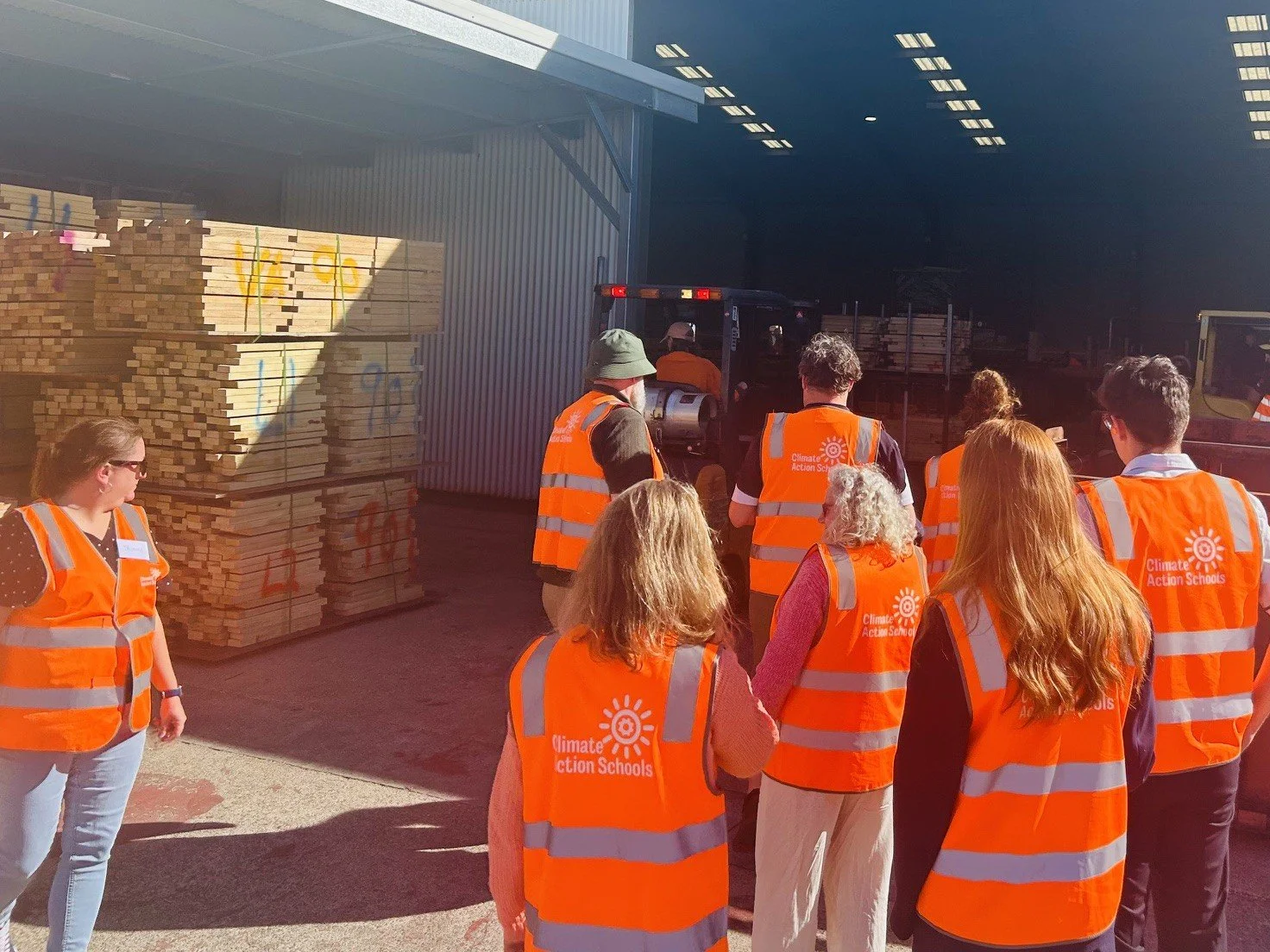
Recently, I hosted the Circular Sustainability Tour to Industry in partnership with the Queensland Government’s Sunshine Coast Advancing Manufacturing Hub. Super experience being surrounded by an inspiring and enthusiastic group of people.  Huge thanks also to our partners at Containers for Change for inviting us to co-present with them at the recent P&C’s Qld conference. 

Check out below how to register your interest to get a regional donation station to increase your Green Gold Rush circular income.  They were also giving our schools a chance to pilot a plastic-to-pens program, turning bottle tops and lids into pens.  Love circular. 

Yours in sustainability Jules 😊

Read More
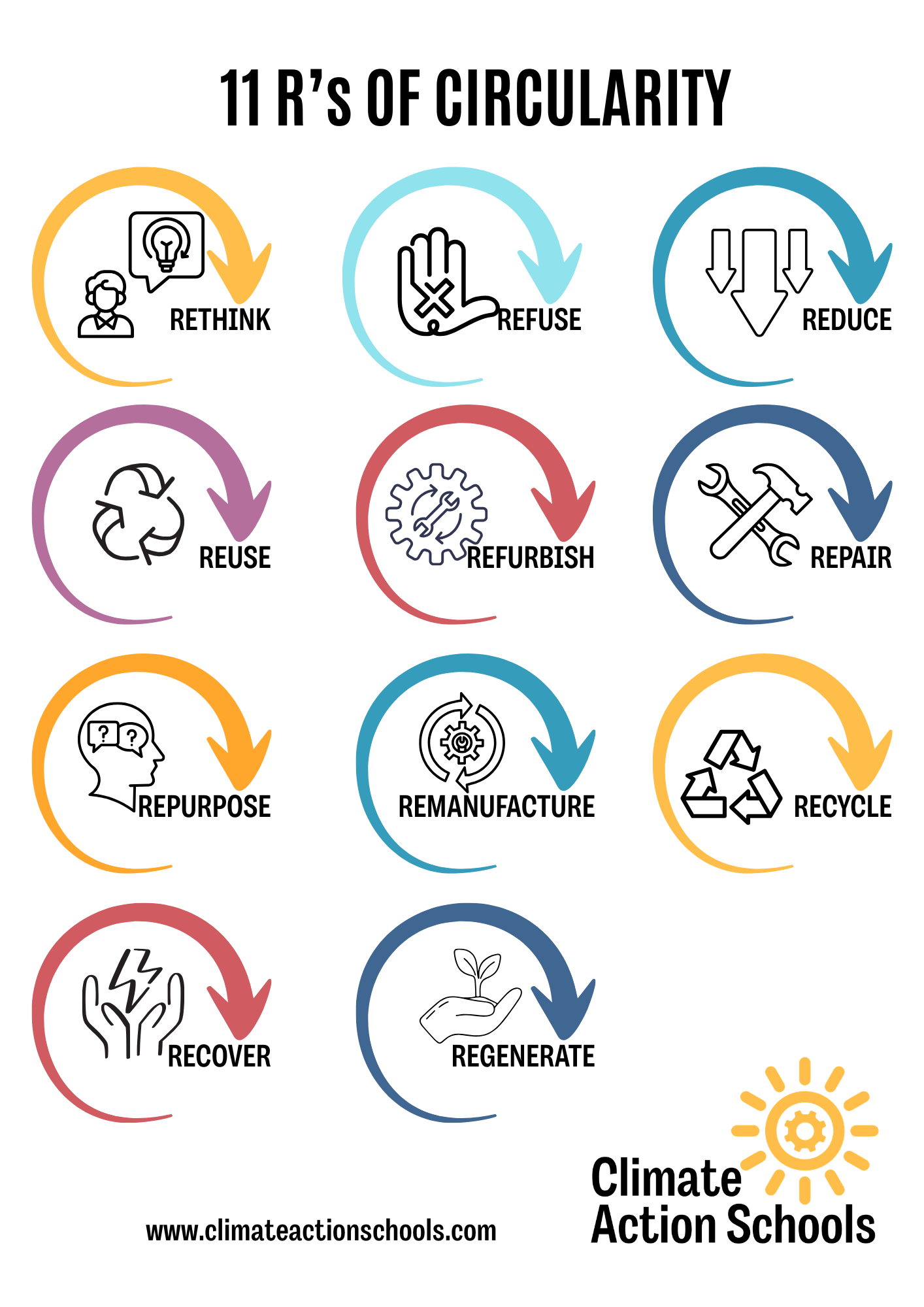
The 11 R's of Circularity: A Framework for Schools That Actually Changes Behaviour

There's a quiet revolution happening in schools. It doesn't look like a protest or a policy. It looks like someone noticing a broken chair and asking, "Can we fix that instead of throwing it away?" It looks like a class mapping out where their waste goes. It looks like young people who don't just know about climate action — they're doing something about it.

Read More
Start with a Tour? Stepping into a Sustainable Future: Industry Tours for Professional Growth

In today's rapidly evolving world, the call for sustainability resonates across every sector. Whether you're shaping young minds in the classroom, maintaining vital spaces, or steering an enterprise, understanding, and implementing sustainable practices is no longer optional – it's essential for our collective future and individual professional growth.


Many of us are passionate about sustainability but sometimes translating that passion into tangible action or effective teaching can feel challenging.

Read More
Community Powering a Sustainable Future: Woodridge State High and Industry 6.0 in Action

At Climate Action Schools, we believe in fostering a holistic approach to sustainability, understanding that our local actions contribute to a global vision. This vision extends beyond the classroom, embracing a collaborative 'ecosystem' where industry, community, and education unite. Recently, Woodridge State High School became a vibrant example of this philosophy, hosting a special working bee that showcased the power of collective effort in driving Industry 6.0 sustainability.

Read More
A Business Manager’s Perspective: The Climate Action Schools Advantage

As the Business Manager at Woodridge State High School, I am always on the lookout to save operational cost for the school and to help facilitate student learning in a practical, real world experience. I want to share our positive experience with a program called Climate Action Schools.


Like many schools, managing waste effectively and controlling associated costs has always been a challenge. We recently implemented the Climate Action Schools program, which provides a practical, system-based approach to resource recovery right here at school.

Read More
Climate Action NOT Climate Change

Beyond the Hype: Practical Sustainability for a Thriving Future

At Climate Action Schools, we often hear the questions: "Does it really make a difference?" or "Aren't you just brainwashing kids?" Our answer is clear: We teach functional sustainability, not ideology. We're not climate change activists; we're empowering schools and students with practical tools that create tangible, measurable impact, right here, right now.

Our program focuses on functional sustainability – applying industry-proven methodologies like LEAN to everyday school operations. This means students learn Take 5 personal safety, 5S organization, 8 Wastes identification, 5 Whys analysis, and Fishbone problem-solving. These aren't abstract concepts; they are essential skills used by major industries worldwide, from manufacturing to resource recovery.

And the difference? It's undeniable. Our partner schools are diverting up to 75% of resources from landfill, achieving 65% reductions in waste costs, and generating income through the circular economy. This isn't just good for the planet; it's smart economics and builds stronger communities.

Read More