Posts in P&Cs
WaterUps School Garden Systems

Useful for: Teachers, Business Managers, P&Cs, School Leaders

Want a productive school garden without creating another high-maintenance job? Explore how wicking garden systems can reduce water use while creating hands-on opportunities to learn about food, water and sustainable systems.

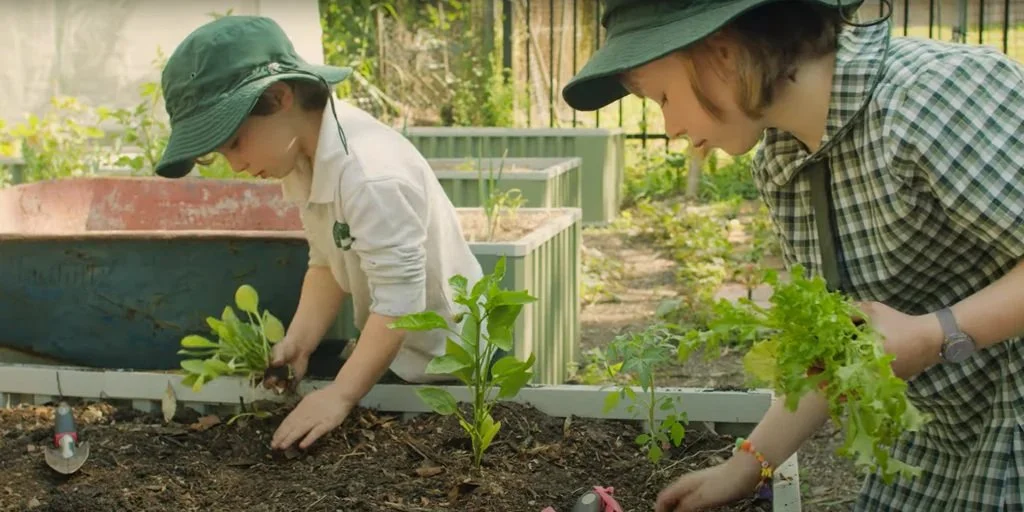
WaterUps wicking garden systems help schools grow productive gardens while saving up to 80% of water. Designed for education settings, the modular beds are durable, easy to install, and support hands-on learning about sustainability, food systems and environmental stewardship. A practical way to bring outdoor learning and circular thinking into your school community.

Explore school garden systems →

Help Fresh Food Last Longer – Reducing Food Waste at Home and School

Useful for: Teachers, P&Cs, Students & Families

Looking for a simple sustainability idea students can take home? Explore practical ways to store fruit and vegetables so they last longer — opening conversations about food waste, household costs and making better use of what we already have.

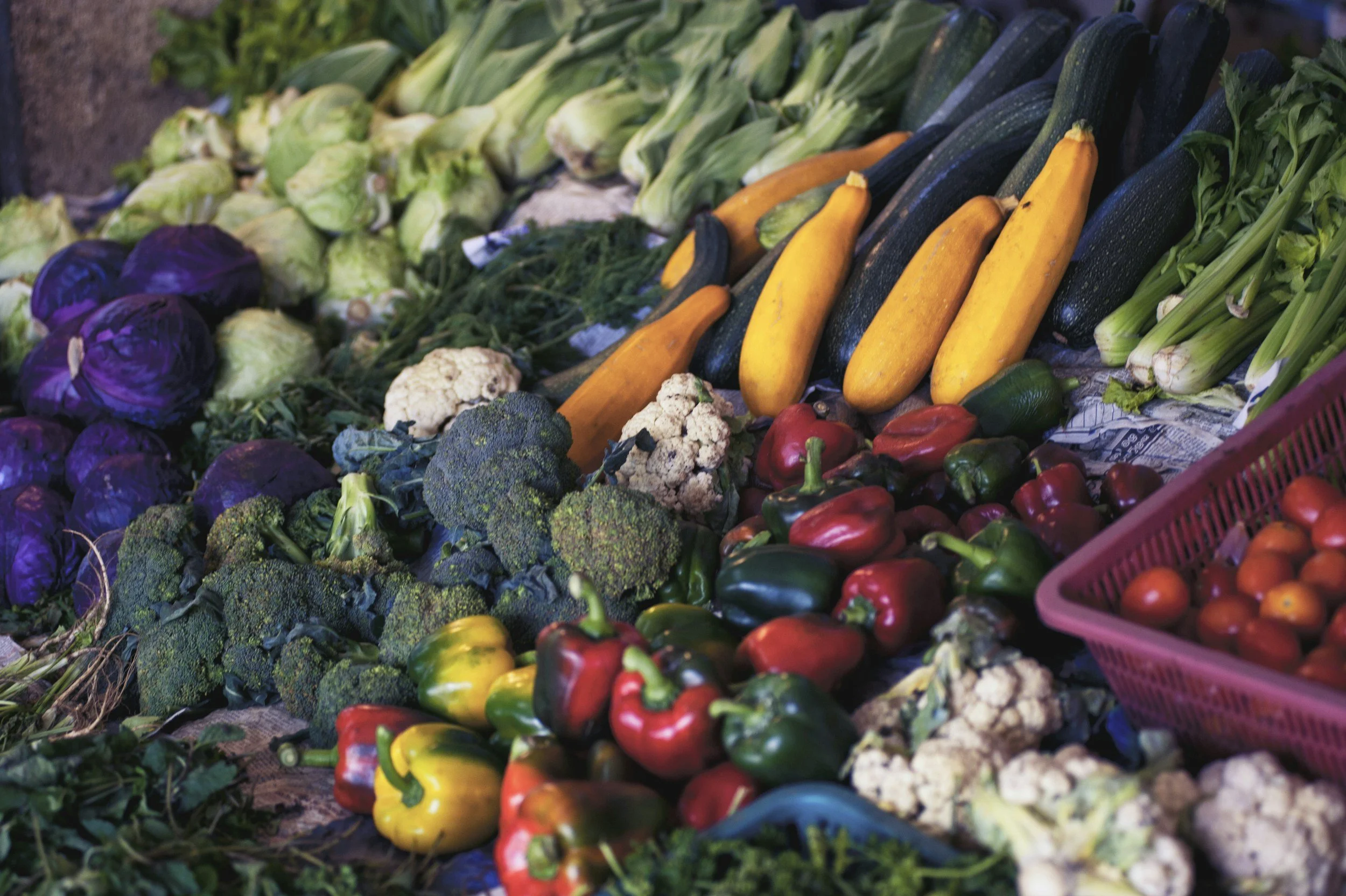
Food waste is one of the easiest places to make a practical difference — yet much of it comes down to simple habits. This resource shares easy ways to store fruits and vegetables so they last longer, helping reduce waste, save money, and build awareness of how everyday choices connect to larger sustainability systems. A simple starting point for classrooms, households, or school holiday conversations around food, storage and resource use.

Explore the tips →

Know What's in Your Tank – Making Water Systems Visible

Useful for: Business Managers, School Leaders, P&Cs

Does your school rely on tank water for gardens, irrigation or facilities? Understanding how much water is available can help identify unusual use, plan ahead and avoid unexpected shortages. This information pack introduces one standalone approach to monitoring tank levels, usage patterns and potential leaks.

Water systems are part of everyday school infrastructure, yet they're often invisible. This product can help with simple monitoring, making water use more visible — helping schools understand patterns, identify issues early, and make more informed decisions around consumption and planning, especially over school holidays. It also opens up opportunities to connect students with real-world resource management, turning something already on-site into a practical learning system.

View the information pack →

Master Composter Workbook – Brisbane

Useful for: Teachers, Business Managers, P&Cs, Students & Families

Starting a composting system — or wondering why your current one is not quite working? This practical guide helps schools and communities understand how to turn organic material into a useful resource while building healthier soils.

A practical guide to transforming organic waste into thriving ecosystems. Developed through Brisbane City Council's Master Composter Program, this resource supports schools and communities to apply circular economy principles, regenerate soil health, and build connected, sustainable futures where people and planet thrive together.

Explore the workbook →

Turning Purpose into Profit: A Leader's Blueprint for Sustainable Growth

Useful for: School Leaders, Business Managers, P&Cs

Want to move sustainability from a good intention to part of how decisions are actually made? This guide explores how purpose, sustainability and financial thinking can work together — useful for leaders building the case for long-term change.

This guide offers a clear, actionable pathway for businesses (and change agents) to align sustainability with profitability. It introduces the Impact Blueprint — five core principles to reframe mindset, mission, mapping, movement, and magnification — helping organisations embed circular economy thinking, ESG leadership, and regenerative business models.

Explore the blueprint →

Queensland Waste Strategy 2025–2030

Useful for: School Leaders, Business Managers, P&Cs

Setting school sustainability priorities or building a case for change? This strategy helps schools understand Queensland's targets and direction — useful context when planning resource recovery, infrastructure and future investment.

Queensland's Waste Strategy 2025–2030 lays out bold, measurable targets to reduce waste, increase recycling, and drive the state toward a cleaner, circular economy. Perfect for schools aiming to align your sustainability plans with state goals — and to leverage policy momentum for meaningful change.

Explore the strategy →

Recycle Mate App – Your Pocket Recycling Guide

Useful for: Teachers, Business Managers, P&Cs, Students & Families

Ever stood over a bin wondering where something actually goes? Use Recycle Mate to quickly check how and where items can be recycled locally — helping reduce contamination and make better recycling decisions at school and at home.

Make recycling simple and accurate with the free Recycle Mate app. Just snap a photo or type an item to learn exactly how and where it can be recycled in your area. A quick, reliable way for schools and families to reduce contamination and keep valuable materials in the circular economy.

Explore Recycle Mate →

ASPIRE – From Waste to Worth

Useful for: Business Managers, P&Cs, School Leaders, Teachers

Have materials your school no longer needs — or need materials someone else may be discarding? ASPIRE shows how schools, businesses and communities can connect to keep useful resources in circulation, reduce disposal costs and find new value in what might otherwise be wasted.

ASPIRE connects schools, businesses and communities to recover resources and give materials a second life. It's a simple way to save costs, spark new ideas and show how a circular economy can flourish when we work together.

Explore ASPIRE →

Queensland's Circular Economy & Waste-Reduction Vision

Useful for: School Leaders, Business Managers, P&Cs

Planning your school's next sustainability project or looking for the bigger picture behind Queensland's direction? Use this resource to connect school priorities with state goals, identify opportunities for action and explore potential funding pathways.

Discover how Queensland is reshaping the way we use—and reuse—resources. This state-wide framework outlines the path to a circular economy: reducing waste, designing out landfill and keeping materials in use for longer. It also highlights funding opportunities and grants to help schools kick-start projects and turn everyday actions into measurable impact.

Explore Queensland's vision →

P&C Welcome Kit: Turn School Resources into Learning, Income & Opportunity

Useful for: P&Cs

Wondering how your P&C can drive practical sustainability outcomes while creating opportunities for students and the school community? Start here.

Discover how your P&C can help drive practical sustainability outcomes while creating new opportunities for students and the wider school community. This free guide explains how Climate Action Schools helps schools recover value from resources currently sent to landfill, build industry connections, reduce waste, and create meaningful learning experiences. Includes an overview of the program, implementation steps, leadership briefing information, and potential benefits for schools, students and P&Cs.

Download the welcome kit →

Australia's National Circular Economy Framework

Useful for: School Leaders, Business Managers, P&Cs, Teachers

Planning a sustainability project, reviewing purchasing or trying to understand where your school fits into the bigger picture? This framework helps connect everyday decisions around resources, infrastructure and learning with Australia's wider circular economy direction.

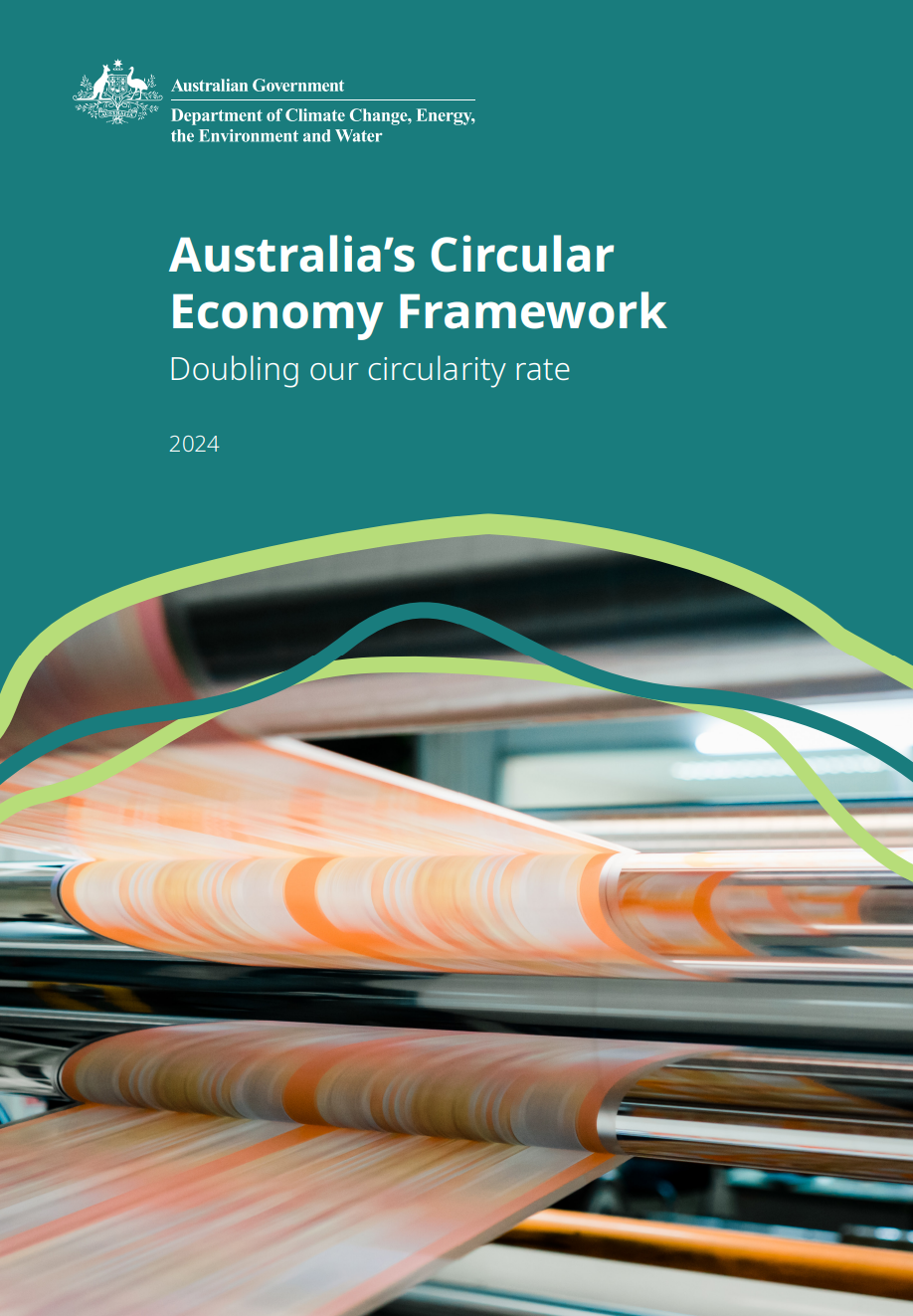
Explore Australia's blueprint for a thriving circular economy. This national framework sets out the vision and key actions for reducing waste, boosting resource recovery and creating long-term environmental and economic value. A valuable reference for schools seeking to connect classroom learning with real-world sustainability goals.

Explore the framework →